After Heavy Rain: What to Check on Your Roof Right Away
Start with Safety and Triage
Heavy rain can expose weaknesses in a roof that were invisible during dry weather. When the storm passes and it is safe to go outside, the goal is to find and address leaks before moisture spreads into the structure. A methodical approach prevents small problems from turning into costly repairs. The following points cover the main areas to inspect and the reasoning behind each check.
Before stepping onto any roof surface, be aware of slippery conditions. Working from the ground with binoculars or a drone is often safer and can reveal many issues. If you must go up, wear shoes with good grip and wait until the roof is dry. The first priority is to stop water from entering the living space, which may mean placing buckets under active drips or temporarily covering a damaged area with a tarp. That initial response is a form of emergency roof repair that buys time for a more thorough evaluation. emergency roof repair
Check the Attic and Ceilings First
Go inside and look at the attic or top-floor ceilings. Water stains, peeling paint, or sagging drywall indicate where moisture has already entered. Use a flashlight to trace the path of the water back to its entry point. Pay attention to areas around vents, chimneys, and plumbing stacks, because roof penetrations are common leak sources. If insulation is wet, it loses thermal value and can promote mold growth. Remove wet insulation promptly to allow the area to dry.
While in the attic, inspect the underside of the roof deck for dark spots or damp wood. A soft or rotted section of plywood means water has been getting in for a while. This is also a good time to check for daylight coming through gaps, which is a sure sign of a hole or separated joint. Mark any suspect spots so you can locate them from the exterior later.
Examine Roof Flashings and Edges
Roof flashing is the metal or rubber material installed around chimneys, skylights, and where the roof meets a wall. Heavy rain and wind can loosen or lift flashing, creating a direct path for stormwater. Look for curled edges, cracks in the sealant, or visible gaps. Flashing that has pulled away from the wall or chimney needs to be reattached and sealed. Neglected flashing is one of the most common reasons for hidden leaks that show up days after a storm.
The drip edge, which is the metal strip along the eaves, should be firmly attached and directing water away from the fascia. If it is bent or missing, water can run back under the shingles and soak the decking. Check that gutters and downspouts are clear of debris and draining freely. Clogged gutters force water to pool at the roof edge, increasing the chance of overflow behind the drip edge.
Inspect Shingles and Tiles for Damage
Walk the roofline visually, or use a zoom lens to spot missing, cracked, or displaced shingles. High winds can lift individual shingles or tiles, breaking the interlocking seal and exposing the underlayment. Even a single missing shingle can allow a surprising amount of water to enter during a heavy downpour. Look for uneven rows, curling edges, or granules collecting in the gutter, all of which point to wear that a storm can exploit.
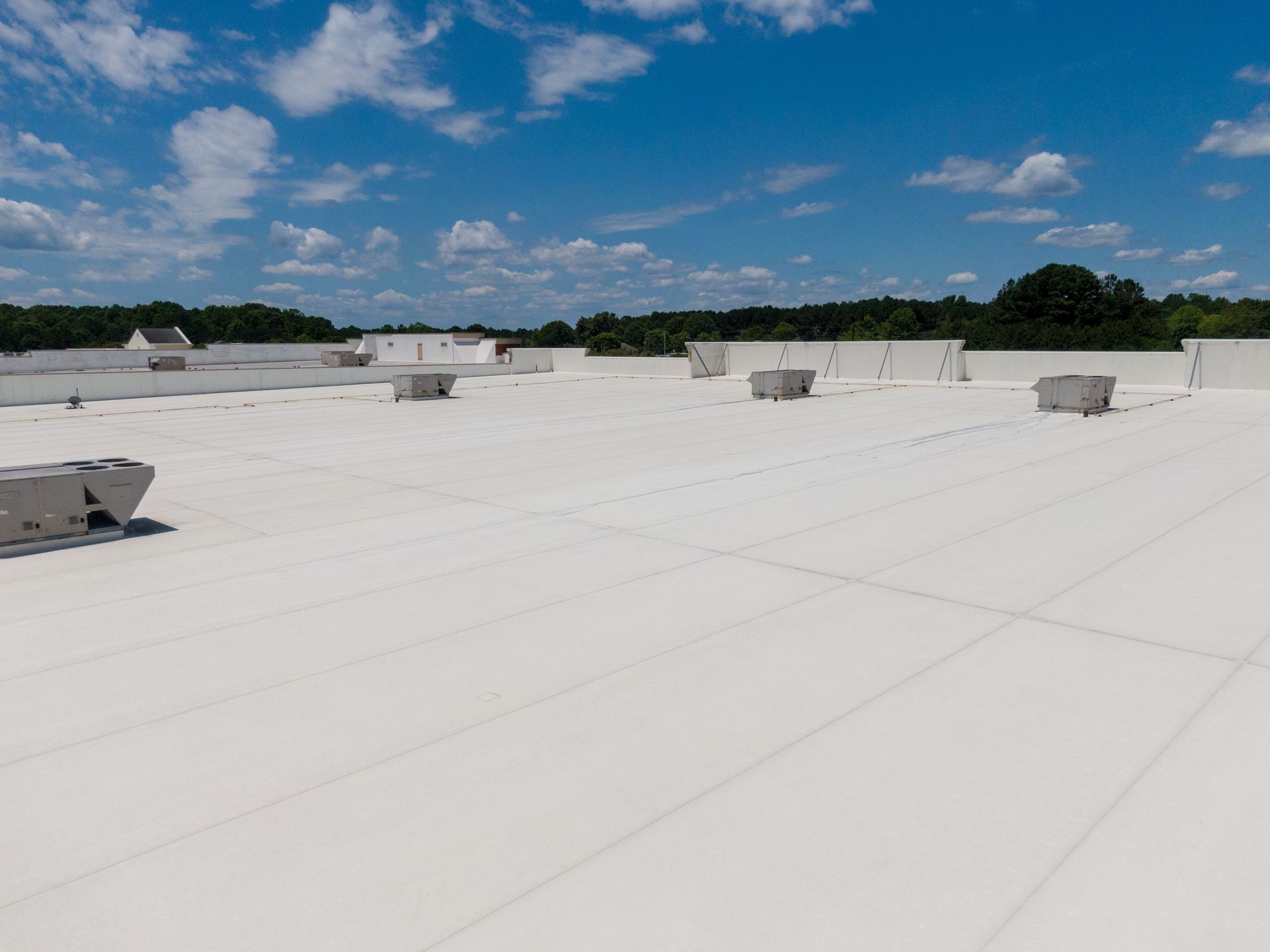
On flat or low-slope roofs, check the membrane for blisters, punctures, or seams that have separated. Ponding water, which is water that remains more than 48 hours after rain, adds weight and pressure that can force water through tiny defects. If you see standing water, note where it collects; that area may need improved drainage or a patch.
Look at Roof Penetrations and Valleys
Roof penetrations include vent pipes, satellite dish mounts, solar panel brackets, and exhaust flues. Each penetration is a potential leak point because it breaks the continuous surface of the roof. Check the boots or collars around these items for cracks or gaps. The sealant around the base should be flexible and adhered to both the pipe and the roofing material. Hardened or cracked caulk should be removed and replaced.
Valleys, where two roof slopes meet, channel a high volume of water. If the valley flashing is narrow or has lifted, water can be forced under the shingles. Look for debris buildup in valleys because leaves and twigs can dam the flow and push water sideways. After cleaning, inspect the metal for rust or holes. A properly installed valley with wide flashing should handle most storms without issue.

Assess the Underlayment and Attic Ventilation
The underlayment is a water-resistant layer between the roof deck and the outer covering. It is the backup defense if shingles or tiles are breached. In the attic, you can often see the underlayment from below if there is a gap or a leak. If the underlayment is exposed due to missing shingles, it may be damaged by UV light or further rainfall. Temporary patching with a tarp or roofing cement can protect it until a more permanent repair is made.
Proper attic ventilation helps prevent moisture buildup that can lead to ice dams in cold weather and mold in warm weather. Check that soffit vents and ridge vents are not blocked by insulation or debris. Good airflow keeps the roof deck dry and extends the life of both the underlayment and the shingles. A damp attic is a sign that ventilation is inadequate and that moisture is being trapped.
Document Damage and Plan the Repair
Take photos of every problem you find, from the interior stains to the exterior missing shingles. This record is useful for insurance claims and for communicating with a contractor. Note the size of each damaged area and the type of material needed for repair. Some issues, like a small leak around a pipe boot, can be fixed with a tube of sealant and an hour of work. Others, such as widespread shingle loss or rotted decking, require a more extensive emergency roof repair.
When the damage is beyond a quick patch, contact a qualified roofing contractor. A professional inspection can identify underlying problems that are not visible from the ground or the attic. Structural issues, such as sagging rafters or compromised sheathing, need to be addressed before the new roofing material is installed. Delaying repairs after a storm often leads to larger problems like mold growth, damaged insulation, and even ceiling collapse.
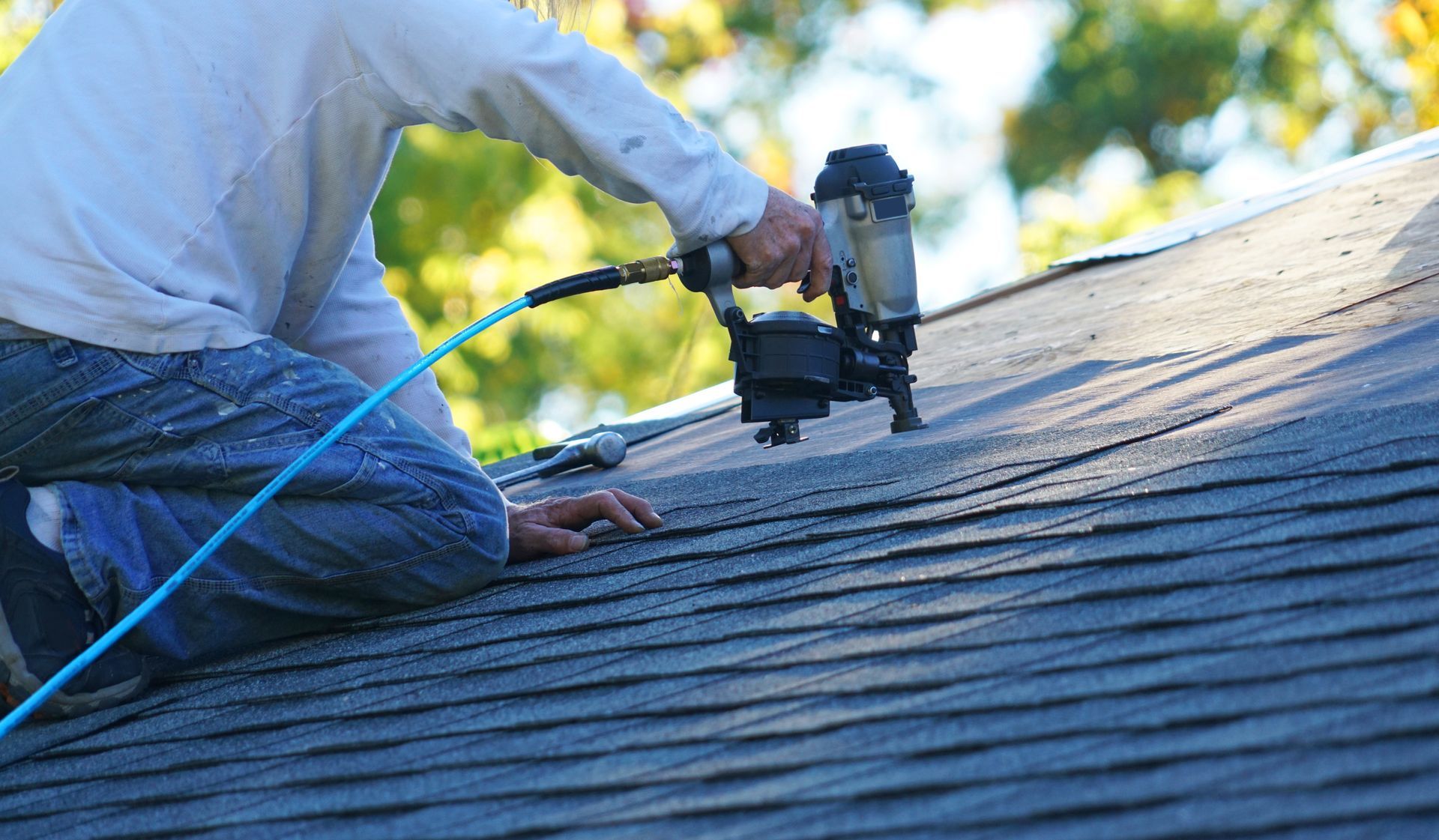
If you live in an area prone to heavy storms, a regular maintenance routine can reduce the chance of surprise leaks. Annual inspections, especially before the rainy season, allow you to fix small issues before a storm turns them into emergencies. Staying proactive with basic upkeep, such as cleaning gutters and resealing flashings, is more affordable than reacting to a leak that has already soaked your walls and furnishings.
For professional assistance with storm damage or general roof concerns, local contractors can provide reliable service. Ready Roofing, LLC, located at 5105 Philips Hwy Ste 205, Jacksonville, FL 32207, USA, can be reached at +1 904-404-9849. Ready Roofing provides residential and commercial roof repairs, replacements, inspections, and storm damage restoration across Northern Florida.
READY ROOFING, LLC is also on LinkedIn.